Breeder notes on genetics, bloodlines, and facility work
Long-form writing on Stack Recessive methodology, Kurotora and Shimofuri lineages, rare Orpington phenotype work, and the day-to-day of running a 4.7-rai research kennel.
Our lavender Orpingtons are beautiful, yet their tail feathers look frayed and ragged, as if torn into strands — the "shredder" look. It is not the fault of the lavender color at all, but of a separate "shredder" gene that sits linked right beside lavender on the chromosome. A small note from the garden on how lavender differs from blue, and how to pull the two genes apart through a black split.
Is the Silver Laced Orpington simply "the silver Orpington"? Not quite. In the Orpington, silver has never existed as a color on its own — it is a gene (the switch S) that turns gold pigment to silver, and it can only show itself where there is already a pattern to act on. A small note from the garden on the genetics of feather color, and why silver cannot stand alone.
The second component of Akita Spirit, harder to explain than Kan-i — Shibu-mi (渋味), the charm of restrained simplicity: a beauty reserved for what has passed through time, plainness that hides complexity, a misted silver tone, composure, and dignity that comes with age.
What I just figured out about feather color in Black Orpington. Eumelanin and Pheomelanin sit in two layers; Blue dilution leaves gaps where the red below shows through. Plus a second cause that fades on its own.
Field notes from breeding Black Star Orpington into Blue: red-leak at chick stage that resolved, a 2.5-month-old pup with feathers down to its hocks, and a reminder — type is king, color you can fix later.
An observation from raising six male Japanese Akita past two years old: they go still on their own. A trait that comes from the AKIHO standard's Kan-i / Shibu-mi, and a real-world reason it makes the dogs easier to live with.
What AKIHO-standard Japanese Akita have that FCI-standard dogs often lack: the dignified valor of Kan-i (悍威), expressed through the eyes, stance, inner spirit, and aura.
I can't tell three of my own puppies apart, and that fact is more significant than the Farm Expo I'm about to disappear into. A note from a Japanese Akita line-breeding result that I'll only fully understand later.
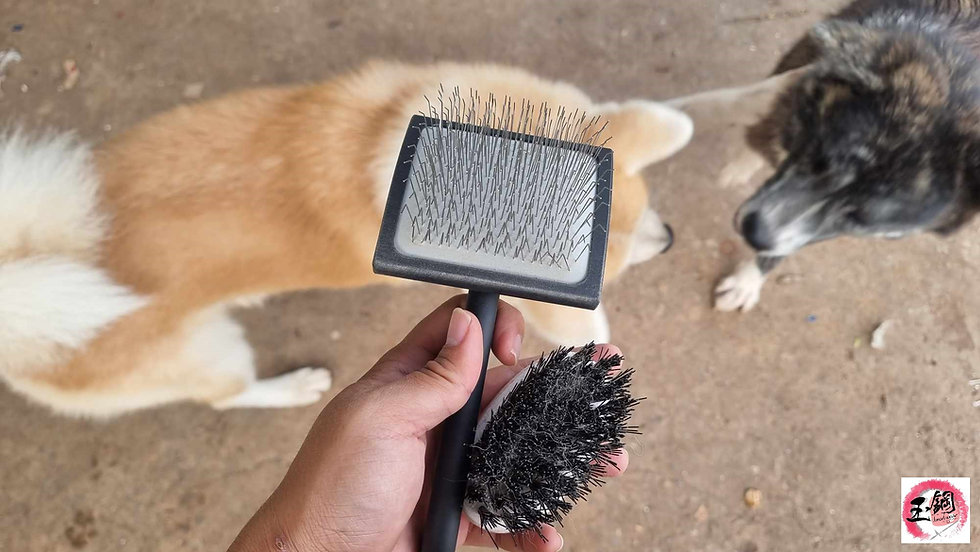
What to prepare before raising a Japanese Akita — your wits, your wallet, grooming kit, air conditioning, a separate space, and a vet-emergency fund. From the direct experience of a breeder.
The fluffy golden Buff is the most famous Orpington color in the world. So why isn't there a single Buff at Tamahagane Garden? Four reasons — saturation, line quality, recessive genetics, and inbreeding — that explain a choice that runs against the market.
How I went from choosing a single Akita to defending the house to building a brindle (Akatora / Kurotora) line — what I saw in the first litter that made me believe brindle puppies carry something extra.
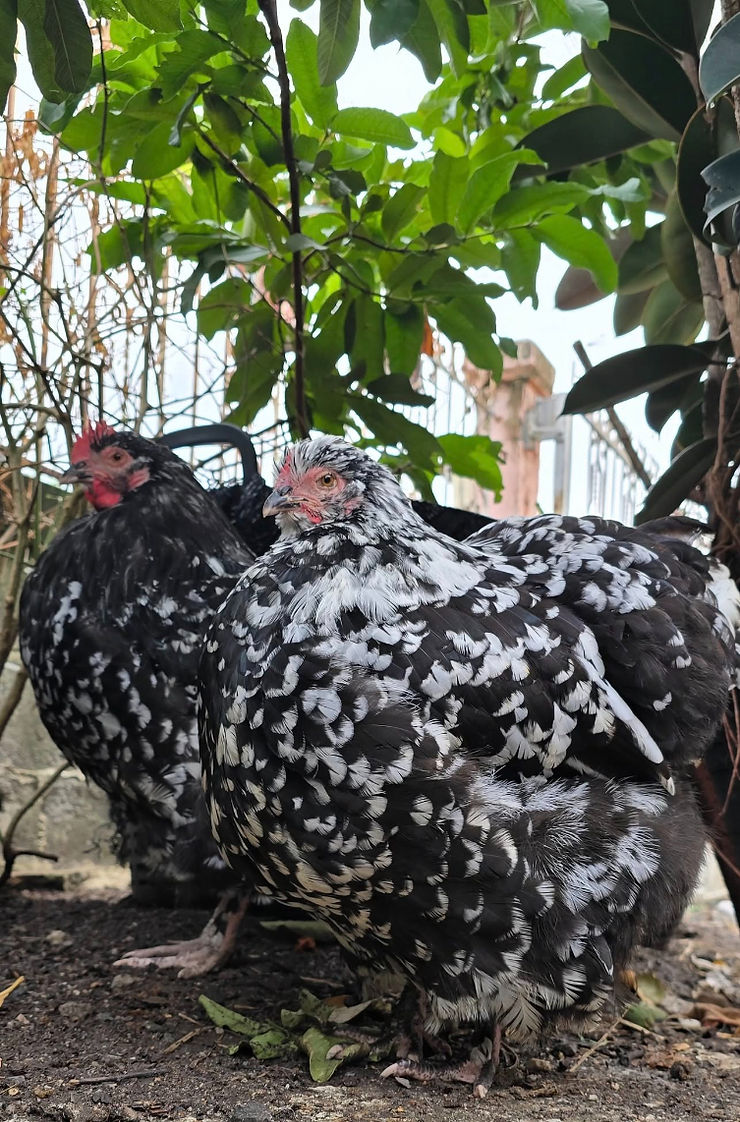
Two years seriously raising Orpington chickens, 500–600 chicks produced — eight truths and care principles most keepers in Thailand still get wrong.
Loyalty, courage, intelligence, dignity, low maintenance — nine reasons I picked the Japanese Akita Inu as the dog to share a home with, drawn from raising 16 of them at the kennel and ~20 more placed with clients.
The Orpington isn't a magazine-cover bird kept just for the photo. It's a breed that genuinely adapts to a real home — giving eggs, calm, and steady companionship. Nine reasons I chose them.