Forging Living LegacyThrough PrecisionGenetics
A dedicated research facility specializing in rare phenotype expression in English Orpington poultry and Japanese Akita Inu — where regenerative ecosystem management meets advanced genetic methodology.
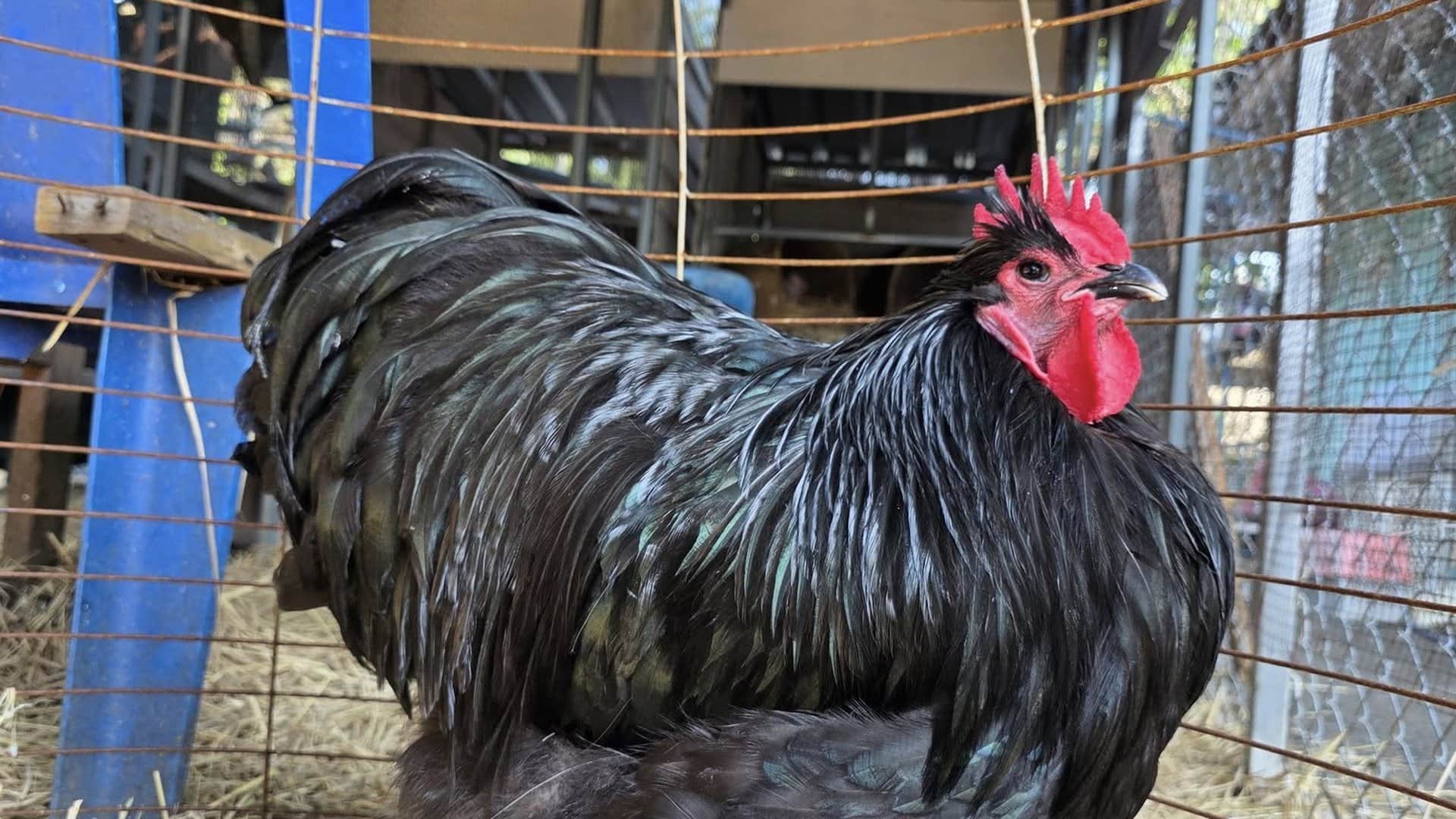
Three pillars of rare phenotype research
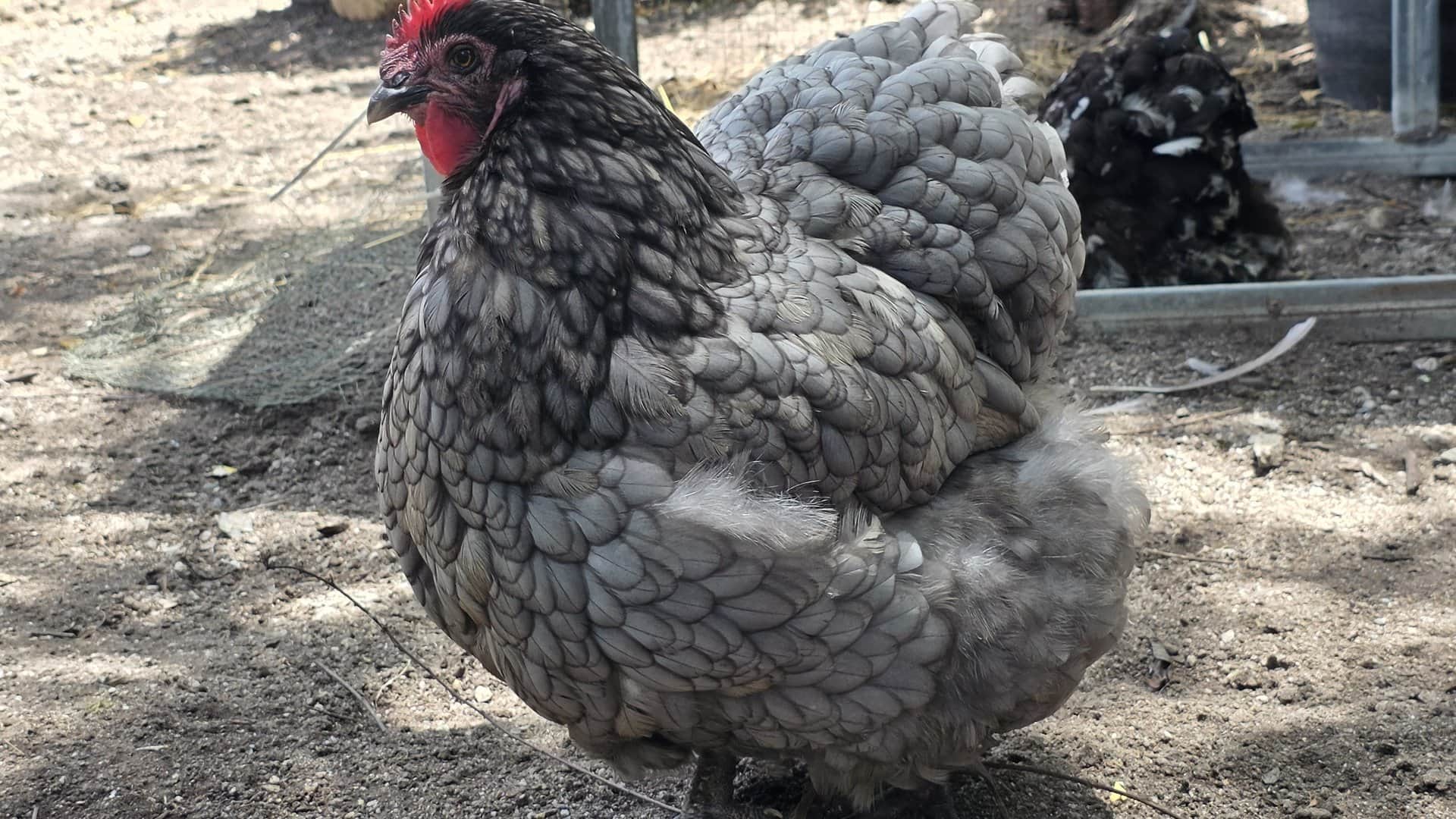
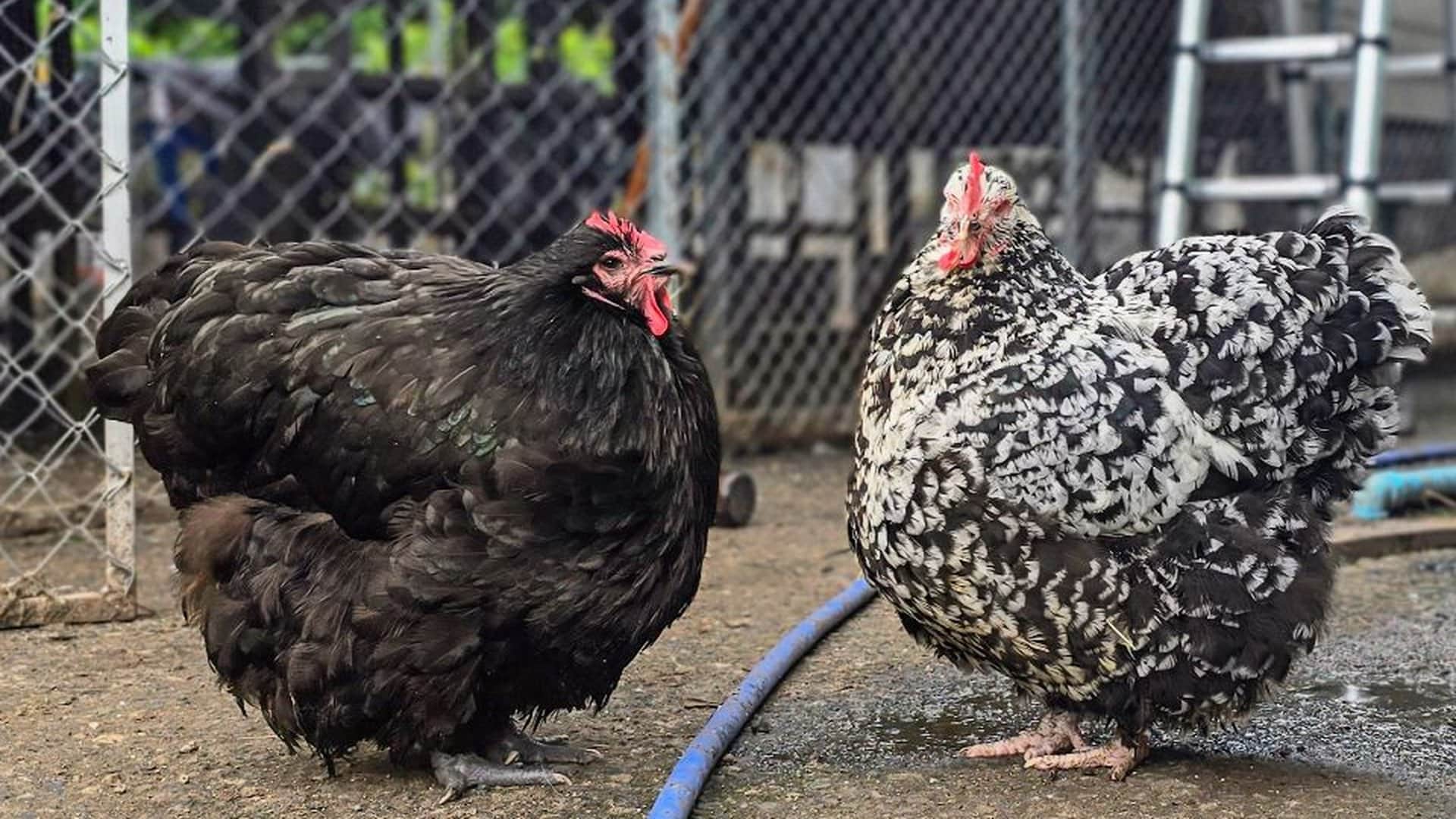
Breeding English Orpingtons on the founding principle — 'Shape makes the breed; color the variety' — prioritising conformation per the 1911 Standard-bred Orpingtons before color, working through the foundational Black, Blue, White, and Buff varieties to preserve the breed's heritage.
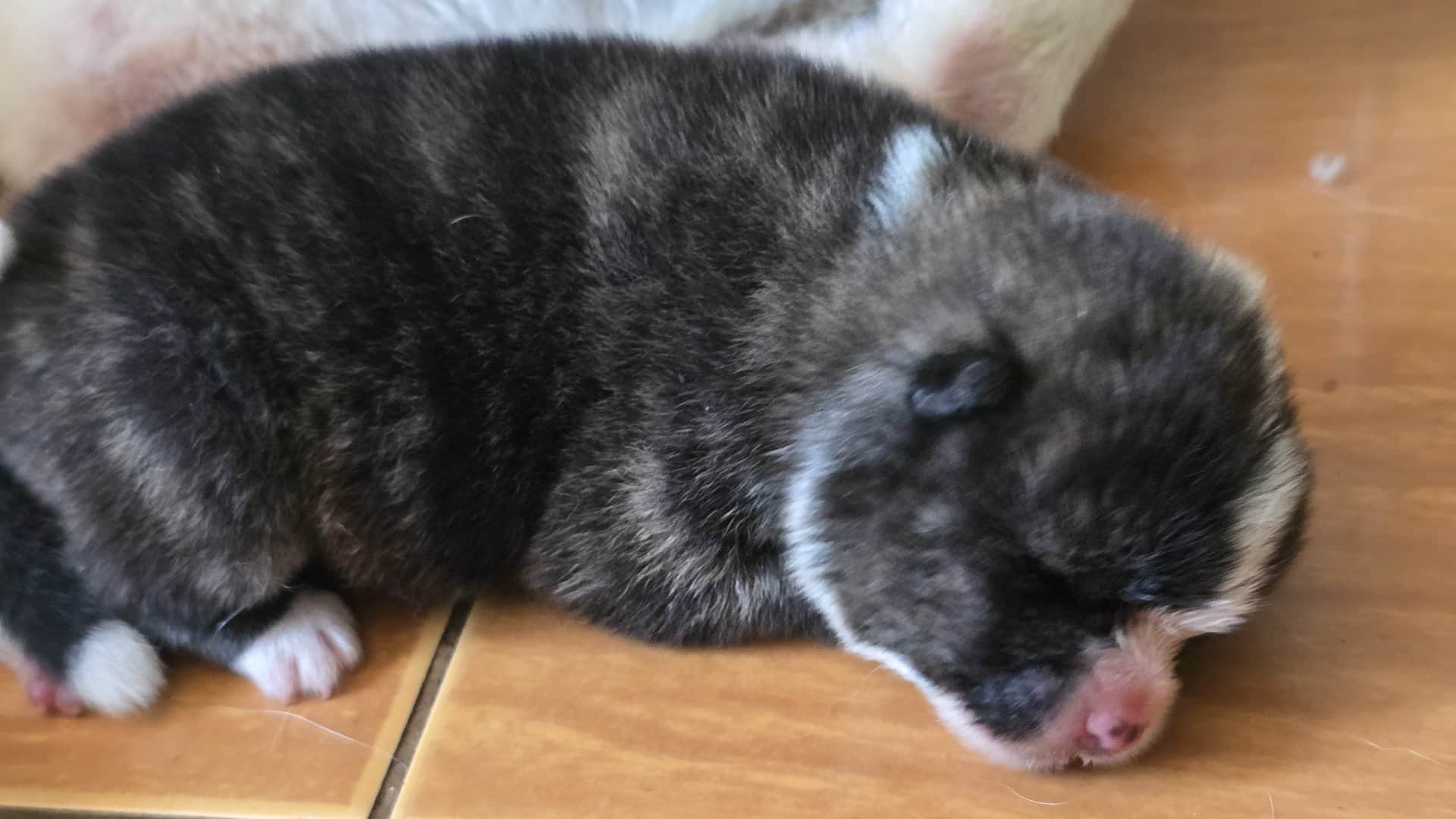
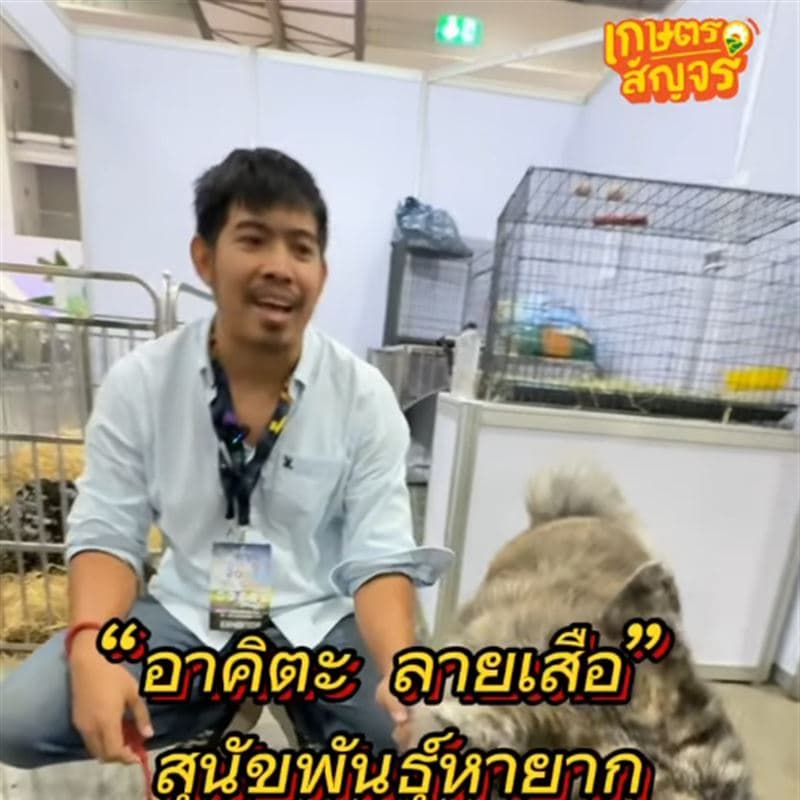
Preserving rare Japanese Akita bloodlines — Kurotora and Shimofuri — through careful lineage management. Maintaining breed standard integrity while expanding genetic diversity.
Ecosystem-based management integrating BSF larvae, soil microbiome engineering, and macro-decomposer colonies. Building closed-loop nutrient cycles that sustain the genetic programs.
Precision at every generation
Every animal enters the program with a documented genotype assessment. Known carriers, confirmed phenotypes, and probabilistic allele predictions form the foundation of every breeding decision.
Pairings are selected to maximize target phenotype probability while maintaining genetic diversity. Wright's coefficient of inbreeding is monitored continuously across all active lines.
Every generation's offspring are documented, phenotyped, and fed back into the genotype model — enabling Bayesian refinement of parental allele estimates and improving future predictions.
Not a farm.
A forge.
We treat genetics as metallurgy — layering recessive alleles like folding steel, each generation refining what came before.
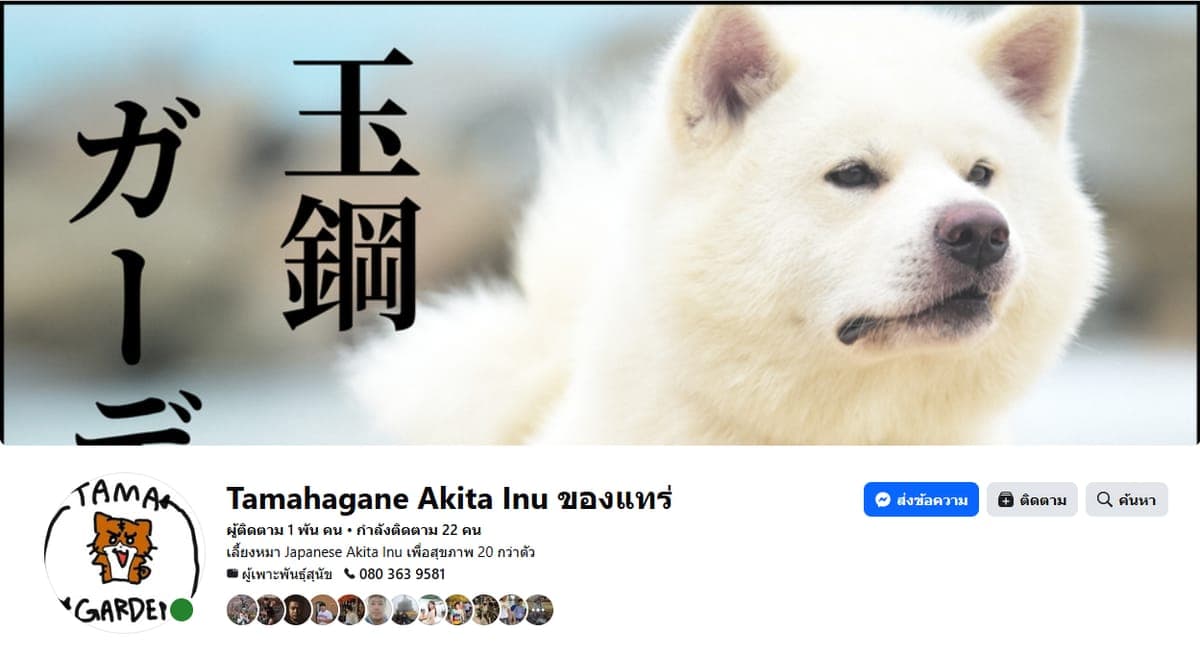
The name Tamahagane (玉鋼) refers to the traditional Japanese steel used to forge katana — produced through patience, precision, and an intimate understanding of material. Our approach to breeding mirrors this philosophy: methodical, multi-generational, and uncompromising in quality.
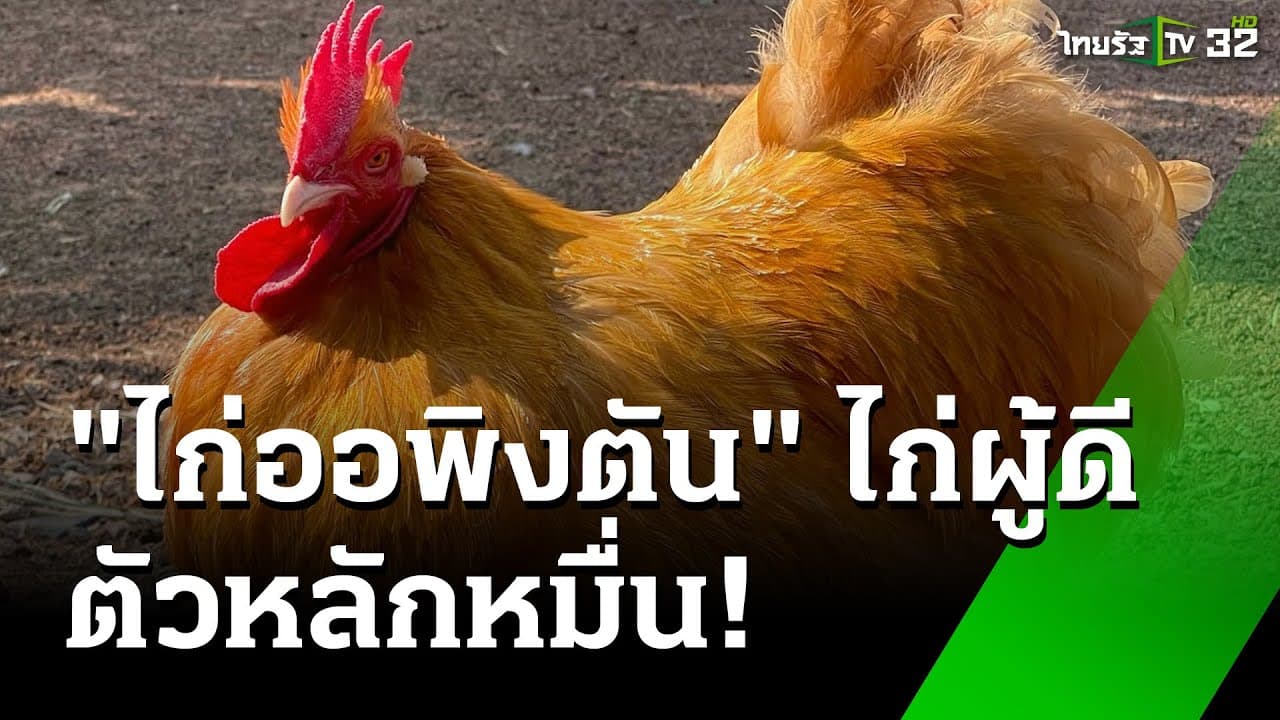
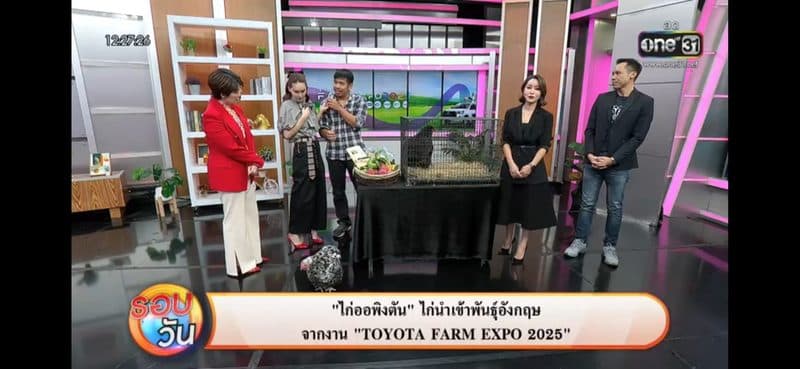
Featured in national press



Interested in our research
or breeding programs?
We welcome inquiries from fellow breeders, researchers, and those who understand that exceptional animals are the product of exceptional methodology.
Get in Touch